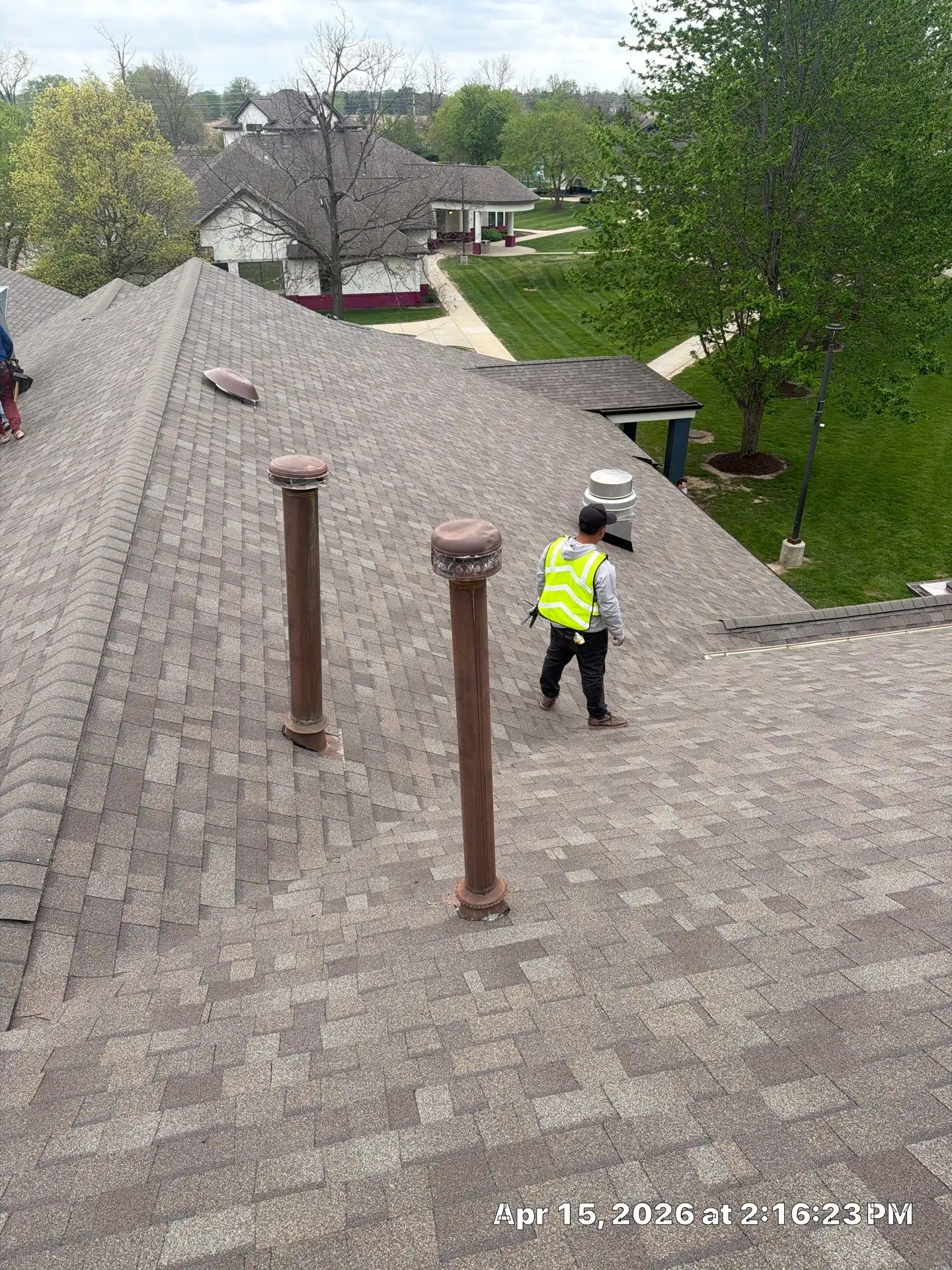
What actually drives commercial roofing cost in Irvington
Square footage is the obvious input, but it is rarely the variable that shifts a quote the most. The bigger movers are the existing membrane condition, the deck below it, insulation R value requirements under current code, and access. A single story building with parapet walls and a clear staging area prices very differently from a four story building with no roof hatch and limited crane positioning. Irvington winters add another layer because freeze thaw cycling magnifies any seam that was already marginal, which means a roof that looked fine in October can present a dozen punctures by March.
The other quiet driver is interior risk. A roof over conditioned office space with finished ceilings and server racks carries a different calculus than the same square footage over an unheated storage bay. Leaks above sensitive tenants push owners toward replacement earlier because the cost of one bad storm can exceed the difference between repair and replacement. We talk through this risk profile during every commercial roof inspection because the right answer depends on what sits underneath the membrane, not just the membrane itself.
Insulation is the sleeper line item. If your roof was installed before current energy code and you tear off to the deck, you may be required to add tapered ISO to hit R 30 or higher. That can add three to six dollars per square foot to a replacement that the owner did not budget for. A recover or coating, when the existing assembly qualifies, sidesteps that requirement entirely.
Rooftop equipment is the other variable that catches owners off guard. HVAC curbs, exhaust fans, gas lines, satellite mounts, and solar arrays all need to be detached, flashed, and reset during a tear off. On a busy restaurant or manufacturing roof in Irvington, the mechanical coordination can add a week to the schedule and several thousand dollars to the bid before a single sheet of membrane is rolled out. Knowing the count and condition of penetrations before bidding keeps change orders off the back end of the project.
Side by side: repair, restoration, and replacement
The table below reflects ranges we see across Irvington and Central Indiana commercial work. Treat these as planning numbers, not quotes. Actual pricing depends on the inspection findings, the deck condition, and current material costs.
| System and Scope | Cost per sq ft | Expected Life Added | Downtime | Best Candidate |
|---|---|---|---|---|
| TPO targeted repair (seams, punctures, flashings) | $4 to $9 | 2 to 5 years | 1 to 2 days | Isolated failures, membrane otherwise sound |
| TPO restoration coating over existing | $3 to $6 | 10 to 15 years | 3 to 7 days | Aged but dry membrane, no wet insulation |
| TPO full tear off and replacement | $9 to $16 | 20 to 25 years | 1 to 3 weeks | Wet insulation, multiple recover layers, failed deck |
| EPDM repair and seam reseal | $3 to $7 | 3 to 6 years | 1 to 3 days | Seam failures on otherwise intact field |
| Modified bitumen targeted repair | $5 to $10 | 2 to 5 years | 1 to 2 days | Localized blisters or splits |
| Standing seam metal panel repair | $6 to $14 | 5 to 10 years | 1 to 4 days | Fastener back out, panel end laps, flashing |
| Metal roof replacement | $12 to $22 | 30 to 50 years | 2 to 6 weeks | Widespread corrosion, structural panel failure |
Reading the spread
The most useful insight from the table is not the absolute numbers, it is the cost per year of added life. A TPO restoration coating at five dollars per square foot that buys twelve years works out to roughly forty two cents per square foot per year. A full replacement at thirteen dollars buying twenty two years lands near fifty nine cents. The restoration wins on paper, but only if the existing insulation is dry and the membrane is sound. Wet insulation under a fresh coating is money set on fire, which is why moisture surveys matter before any restoration recommendation.
Repairs look cheap until you stack them. Three patch visits at six dollars per square foot in equivalent area over four years often equal the cost of a coating that would have bought a decade. We see this pattern most on roofs in years eighteen through twenty four, where owners chase leaks rather than commit. If your maintenance log shows more than two repair calls in twelve months, the math has usually tipped toward commercial roof replacement or restoration.
Warranty structure also belongs in the spread. A manufacturer NDL warranty on a full tear off typically runs twenty years and covers material plus labor when Irvington Commercial Roofing installs to spec. A restoration coating carries a shorter warranty, usually ten to fifteen years, and a repair patch generally carries only a workmanship guarantee on the patch itself. Owners planning to sell or refinance within five years often value the transferable replacement warranty enough to justify the higher up front number, while owners with a long hold horizon weigh the annualized cost more heavily.
Active leaks change the order of operations. Before any decision about long term scope, the roof needs tarping or temporary dry in so the interior stops absorbing water. Our commercial emergency roof repair crews handle that stabilization first, then schedule the assessment that drives the real estimate. Severity is assessed over the phone so we know whether to dispatch a tarp crew or a full inspection team, and pricing the right scope is impossible while water is still entering the building.
How Irvington Commercial Roofing builds a defensible estimate in Irvington
Every number we put on paper traces back to a core sample, an infrared scan, or a measured drawing. We document deck type, insulation thickness, moisture readings, and penetration counts before pricing, then walk owners through the table above against their specific findings. That conversation is where the right scope becomes obvious, and it is the difference between a quote and a plan.